Choosing the Right AC System for a New Orleans Historic Home
Installing modern air conditioning in a New Orleans historic home requires balancing preservation requirements, structural constraints, and the demands of our subtropical climate. Here's what homeowners in Uptown, the Garden District, and Mid-City need to know.
Choosing the Right AC System for a New Orleans Historic Home
New Orleans historic homes present unique HVAC challenges — narrow wall cavities, no attic space, and strict preservation guidelines mean you cannot simply install a standard central air system. This guide explains how to choose the right AC installation approach for your historic or Creole cottage, double shotgun, or camelback home.
Why Historic Homes Require Specialized HVAC Solutions
Standard forced-air systems require ductwork that simply does not fit inside plaster walls or original wood framing. A ductless mini-split system is often the best solution, offering zoned cooling without invasive installation. Our AC repair team has worked in hundreds of historic New Orleans homes and understands the specific constraints of each architectural style.
Ductless Mini-Splits: The Gold Standard for Historic Homes
Mitsubishi, Daikin, and other inverter-driven mini-split brands allow precise temperature control room by room. Learn more about our Mitsubishi repair and installation services or Daikin systems for historic properties.
Preservation Board Compliance and Permits
The Vieux Carré Commission and New Orleans Historic District Landmarks Commission regulate exterior equipment placement. Our team handles all permit applications and works within preservation guidelines. See our mechanical contracting page for full permitting details.
Related Resources
- HVAC Humidity Control in New Orleans
- Why New Orleans AC Systems Fail Faster
- AC Maintenance for Historic Homes
The Unique Challenge of Historic New Orleans Homes
New Orleans is a city steeped in history, and its historic homes are a testament to its rich past. From the grand mansions of the Garden District to the colorful Creole cottages of the French Quarter and the stately residences of Uptown, these properties possess an undeniable charm. However, their age and construction methods present unique challenges when it comes to modern climate control. As a business owner in New Orleans, I've seen firsthand how crucial it is to respect these homes while ensuring comfortable living.
Architectural Integrity and Preservation
One of the primary concerns for historic homeowners is maintaining the architectural integrity of their property. This means avoiding modifications that could damage original plasterwork, intricate millwork, or unique floor plans. Traditional HVAC systems often require extensive ductwork, which can be difficult or impossible to install without significant alterations. For example, a home built in the 1800s with solid brick walls and no existing duct chases will pose a much greater challenge than a more recent historic build. Preservation guidelines, especially in areas like the French Quarter, are strict and must be adhered to. Our team, with LA license #75402, understands these nuances and works diligently to find solutions that honor your home's heritage.
The Unforgiving New Orleans Climate
The Gulf Coast climate is notoriously harsh, characterized by sweltering heat, oppressive humidity, and the constant threat of hurricane season. For historic homes, this climate exacerbates issues like moisture intrusion, mold growth, and structural damage. An effective AC system in New Orleans must do more than just cool; it must also provide robust dehumidification. The average relative humidity in New Orleans often hovers around 75-80% during summer months, making a standard AC unit insufficient without proper sizing and additional dehumidification strategies. Salt air, particularly in areas closer to Lake Pontchartrain or the Mississippi River, also plays a role, requiring durable, corrosion-resistant equipment. Our NATE-certified technicians are experts in designing systems that stand up to these extreme conditions.
Understanding Your AC Options for Historic Properties
When considering an AC system for your historic New Orleans home, you'll encounter several options, each with its own set of advantages and disadvantages. The best choice will depend on your home's specific layout, your budget, and your commitment to preservation.
Central Air Conditioning: Traditional vs. Modern Solutions
Traditional central air conditioning, while common in newer homes, can be problematic for historic properties due to the extensive ductwork required. However, advancements in HVAC technology have introduced more discreet central air solutions. High-velocity mini-duct systems, for instance, use smaller, flexible ducts that can be snaked through existing wall cavities or closets with minimal disruption. These systems are often more expensive to install, ranging from $15,000 to $30,000 for a typical historic home, but they offer whole-home cooling and can be nearly invisible once installed. They also provide excellent dehumidification, which is critical in our humid climate. For a detailed look at our central AC services, visit Central AC Installation.
The Rise of Ductless Mini-Splits
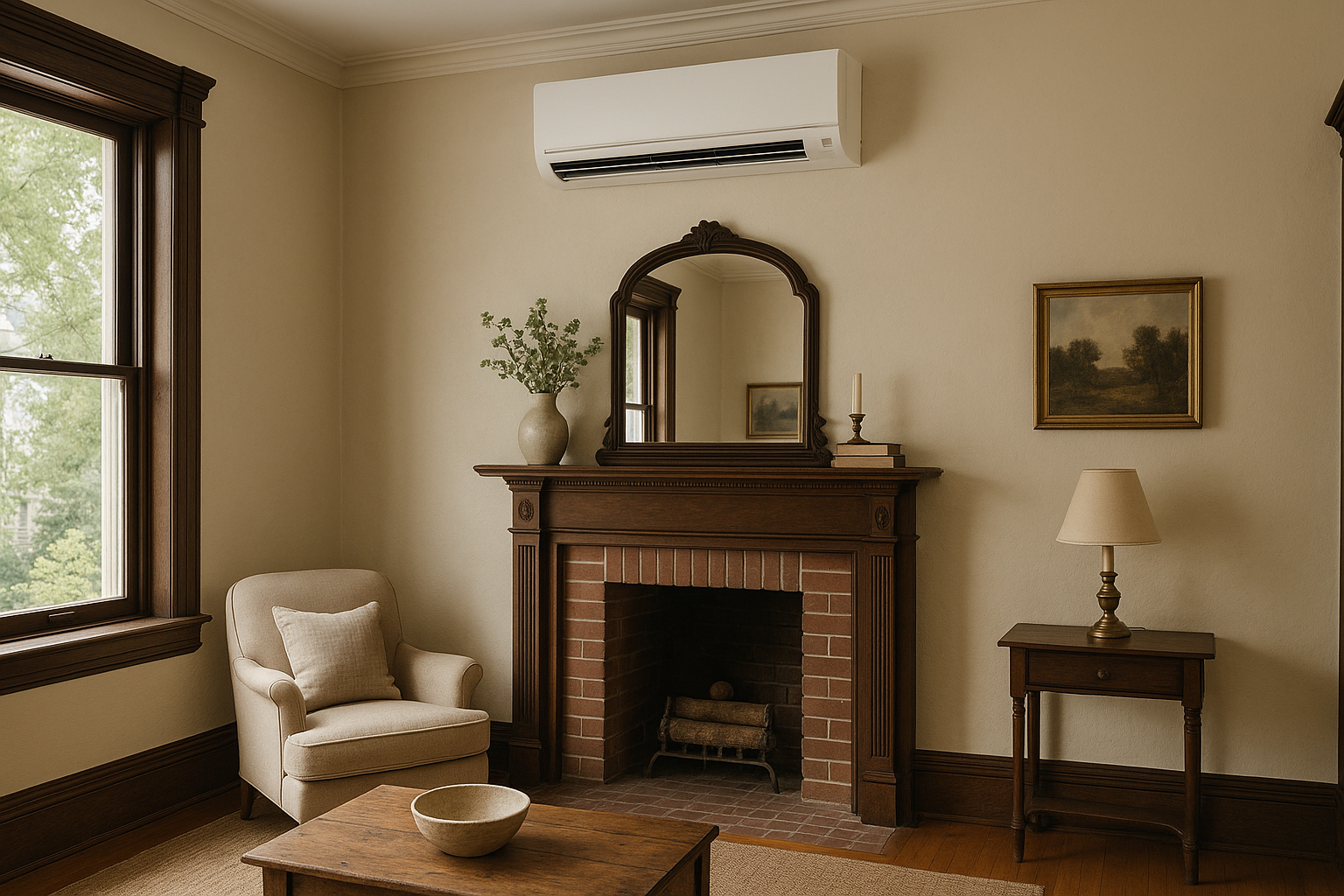
Ductless mini-split systems have become incredibly popular for historic homes in New Orleans, and for good reason. They offer zoned cooling, meaning you can control the temperature in individual rooms or areas, which can lead to significant energy savings. Installation is relatively straightforward, requiring only a small conduit to connect the indoor unit to an outdoor compressor, minimizing alterations to your home's structure. The indoor units are compact and can be mounted on walls or ceilings, though some homeowners find their appearance less appealing than hidden central air. Costs for a multi-zone mini-split system can range from $8,000 to $20,000, depending on the number of zones and the system's capacity. Many modern mini-splits boast SEER ratings of 20 or higher, offering superior energy efficiency compared to older systems. We often recommend these for homes in the French Quarter where exterior modifications are heavily regulated.
Window Units: A Last Resort or a Viable Option?
Window units are the most affordable and least invasive option, requiring no permanent modifications to your home's structure. They are often used as a temporary solution or for cooling single rooms. However, they come with several drawbacks: they are noisy, block natural light, can be energy inefficient, and detract from the aesthetic of a historic facade. While a window unit might cost as little as $300-$800, their operational costs can quickly add up, and they offer minimal dehumidification. For most historic homeowners seeking long-term comfort and preservation, window units are generally not the ideal choice, especially when considering the architectural beauty of homes in the Garden District or Uptown. They are a viable option for a small guest house or an infrequently used room, but not for primary living spaces.
Key Considerations for Historic Home AC Installation
Beyond the type of system, several other factors must be carefully considered to ensure a successful and compliant AC installation in your historic New Orleans home.
Navigating Historic District Regulations
New Orleans has numerous historic districts, each with its own set of regulations governing exterior alterations. The Vieux Carré Commission (VCC) for the French Quarter, for example, has stringent rules regarding visible outdoor units and conduit. Similarly, the Historic District Landmarks Commission (HDLC) oversees areas like the Garden District and Uptown. Before any installation, it's crucial to obtain the necessary permits and approvals. Our team is well-versed in these local regulations and can assist you in navigating the permitting process, ensuring your project complies with all preservation guidelines. We've helped countless homeowners in these areas find solutions that meet both their comfort needs and historical preservation requirements.
Humidity Control: A Non-Negotiable in NOLA
As mentioned, humidity is a major concern in New Orleans. Beyond cooling, your AC system must effectively remove moisture from the air to prevent mold, mildew, and discomfort. Many modern AC systems, particularly those with variable-speed compressors, offer enhanced dehumidification capabilities. However, in some cases, a dedicated whole-home dehumidifier may be necessary to achieve optimal indoor air quality and comfort. These units can add an additional $2,000 to $4,000 to the overall project cost but are a worthwhile investment for protecting your historic home and its contents. Without proper humidity control, you risk damaging antique furniture, artwork, and even the structural elements of your home.
Energy Efficiency and Operating Costs
Older homes often have less insulation and more air leaks than modern constructions, which can lead to higher energy bills. Investing in a high-efficiency AC system can help offset these costs. Look for systems with high SEER (Seasonal Energy Efficiency Ratio) and EER (Energy Efficiency Ratio) ratings. While the initial investment for a high-efficiency system might be higher, the long-term savings on your utility bills can be substantial. For example, upgrading from a 10 SEER unit to a 16 SEER unit can reduce cooling costs by 30-40%. Additionally, consider smart thermostats that allow for zoned control and programmable schedules, further optimizing energy usage. Our team can provide an energy audit to identify areas for improvement and recommend the most cost-effective solutions for your property.
Installation Best Practices for Historic Homes
Proper installation is paramount, especially in historic properties. It requires a specialized approach that respects the home's unique construction and materials.
Minimizing Structural Impact
Our installation process prioritizes minimizing structural impact. This means carefully planning ductwork routes (if applicable), utilizing existing chases or inconspicuous areas, and avoiding damage to original finishes. For homes with plaster walls, for instance, we employ techniques that prevent cracking and preserve the integrity of the surface. We also ensure that any exterior components, such as outdoor units, are placed in locations that are as unobtrusive as possible, often hidden from street view or integrated into landscaping. This meticulous approach is part of our commitment to historic preservation.
Integrating with Existing Electrical Systems
Historic homes often have older electrical systems that may not be able to handle the demands of modern high-efficiency AC units. Before installation, a thorough electrical inspection is essential to determine if upgrades are needed. This might involve upgrading your electrical panel or running new dedicated circuits. Failing to address electrical limitations can lead to safety hazards and system malfunctions. Our NATE-certified technicians work closely with licensed electricians to ensure that your new AC system is safely and properly integrated into your home's infrastructure.
Aesthetic Considerations and Discreet Placement
The visual impact of an AC system on a historic home is a significant concern. We strive for discreet placement of both indoor and outdoor units. For ductless mini-splits, we can often paint the conduit to match your home's exterior, making it blend seamlessly. Indoor units can be strategically placed to be less noticeable. For central air systems, grilles and registers can be custom-designed to match the period and style of your home, preserving its aesthetic appeal. Our goal is to provide you with modern comfort without compromising the timeless beauty of your New Orleans historic residence.
The Benefits of Professional HVAC Expertise in New Orleans
Navigating the complexities of AC installation in a historic New Orleans home requires specialized knowledge and experience. Choosing the right HVAC partner is crucial for a successful outcome.
Local Knowledge and Experience
With 17 years serving the Greater New Orleans area, New Orleans Mechanical Pros has an unparalleled understanding of the local climate, architectural styles, and historic preservation guidelines. We've worked on countless homes in neighborhoods like the Garden District, French Quarter, Uptown, and throughout Jefferson and Orleans Parishes. This local expertise allows us to anticipate challenges and recommend solutions that are specifically tailored to our unique environment. We know the difference between a Creole cottage and a shotgun house, and how those differences impact HVAC design.
NATE-Certified Technicians and Quality Workmanship
Our team consists of NATE-certified technicians, which means they have undergone rigorous training and testing to demonstrate their expertise in HVAC installation, maintenance, and repair. This certification ensures that your AC system will be installed correctly, efficiently, and to the highest industry standards. Quality workmanship is not just about comfort; it's about protecting your investment and ensuring the longevity of your system, especially in the demanding New Orleans climate. We pride ourselves on attention to detail and a commitment to excellence.
Long-Term Support and Maintenance
An AC system is a significant investment, and proper maintenance is essential to ensure its longevity and efficiency. We offer comprehensive maintenance plans designed to keep your system running smoothly year-round. Regular tune-ups can prevent costly breakdowns, improve energy efficiency, and extend the lifespan of your equipment. For historic homes, this is even more critical, as system failures can lead to humidity issues that quickly damage delicate interiors. Our maintenance services include checking refrigerant levels, cleaning coils, inspecting electrical components, and ensuring proper drainage, all vital for our humid environment. Learn more about our AC Repair Services and how we can keep your system in top shape.
Case Studies: AC Solutions in New Orleans Historic Homes
To illustrate the possibilities, let's consider a couple of scenarios we've encountered and successfully resolved for our clients.
Garden District Grandeur: High-Velocity Mini-Duct System
We recently worked on a magnificent 1890s Victorian home in the Garden District. The owners wanted whole-home cooling without visible ductwork or compromising the ornate plaster ceilings. After careful assessment, we recommended and installed a high-velocity mini-duct system. The small, flexible ducts were routed through existing closet spaces and behind decorative molding, with discreet, pencil-thin outlets that blended seamlessly with the interior. The outdoor unit was strategically placed behind a lush hedge, out of sight. The project took approximately three weeks and cost around $28,000, but the result was a perfectly cooled home with its historic charm fully intact. The owners now enjoy consistent temperatures and excellent humidity control, even during the peak of summer.
French Quarter Charm: Multi-Zone Ductless Mini-Splits
In a charming Creole cottage in the French Quarter, the challenge was different. The home had a very compact footprint, and the VCC regulations made exterior modifications extremely difficult. We opted for a multi-zone ductless mini-split system. Each of the three main living areas received a wall-mounted indoor unit, chosen for its sleek design. The outdoor compressor was placed on a small, enclosed patio, out of public view. The conduit connecting the units was painted to match the exterior brickwork. This installation was completed in about a week and cost approximately $14,000. The homeowners now have individual temperature control for each room, leading to lower energy bills and a comfortable living environment, all while respecting the strict preservation guidelines of the French Quarter.
Making the Right Choice for Your Historic Home
Choosing an AC system for a historic home in New Orleans is a significant decision that impacts both your comfort and the preservation of your property. It's an investment that requires careful consideration of various factors, from architectural constraints to climate demands and regulatory compliance.
Assessing Your Home's Specific Needs
Every historic home is unique. Before making any decisions, a thorough assessment of your property is essential. This includes evaluating its age, construction materials, existing infrastructure, and any specific preservation requirements. Our team provides detailed consultations, walking through your home to understand its nuances and discuss your comfort goals. We'll identify potential challenges and opportunities, ensuring that the recommended solution is perfectly tailored to your home's individual character and needs. This initial assessment typically takes a few hours and is a critical first step.
Budgeting for Installation and Long-Term Costs
While the initial installation cost is a major factor, it's equally important to consider the long-term operating and maintenance costs. High-efficiency systems may have a higher upfront price but can save you thousands in energy bills over their lifespan. Conversely, a cheaper system might seem appealing initially but could lead to higher utility costs and more frequent repairs down the line. We provide transparent pricing and detailed breakdowns, helping you understand the full financial picture of your investment. We also discuss potential rebates or incentives for energy-efficient upgrades that might be available in Louisiana.
Partnering with a Trusted Local Expert
Ultimately, the success of your historic home AC project hinges on partnering with an experienced and reputable HVAC company. New Orleans Mechanical Pros has been serving the Greater New Orleans area for 17 years, building a reputation for quality, reliability, and a deep understanding of historic properties. Our LA license #75402 and NATE-certified technicians are your assurance of professional, compliant, and effective service. We are committed to preserving the beauty of New Orleans' historic homes while enhancing their comfort. Don't compromise on comfort or preservation; Contact us today for a consultation and let us help you find the perfect AC solution for your historic New Orleans home.
Frequently Asked Questions
Q: Can I install central air conditioning in any historic home?
A: While it's often possible, it depends heavily on the home's specific construction and preservation guidelines. Homes with existing chases or larger attics may accommodate traditional ductwork more easily. For others, high-velocity mini-duct systems offer a less invasive central air solution. A professional assessment is always recommended to determine feasibility and compliance with local regulations, especially in areas like the French Quarter or Garden District.
Q: Are ductless mini-splits visible from the exterior of my historic home?
A: Ductless mini-splits require a small outdoor compressor unit and a conduit connecting it to the indoor unit. While these components are visible, they can often be discreetly placed or painted to blend with your home's exterior. In historic districts, placement is crucial to comply with regulations, and our team specializes in finding the most unobtrusive solutions.
Q: How important is humidity control in New Orleans historic homes?
A: Extremely important. New Orleans' high humidity can lead to mold growth, wood rot, and damage to plaster and antique furnishings. An effective AC system for a historic home must provide robust dehumidification, either through its primary function or with the addition of a dedicated whole-home dehumidifier, to protect your property and ensure comfort.
Q: What is the typical lifespan of an AC system in New Orleans' climate?
A: With proper installation and regular maintenance, an AC system in New Orleans can last 10-15 years, sometimes longer. However, the harsh climate, including high humidity and salt air, can put extra strain on units. Annual professional maintenance is crucial to maximize lifespan and efficiency, preventing premature breakdowns.
Q: Do you offer financing options for AC installation in historic homes?
A: Yes, we understand that AC installation can be a significant investment. New Orleans Mechanical Pros offers various financing options to help make your project more affordable. During your consultation, we can discuss the available plans and help you find one that fits your budget. Our goal is to make modern comfort accessible for all historic homeowners in the Greater New Orleans area.