The Complete Guide to HVAC Humidity Control in New Orleans
Humidity is the real enemy in New Orleans — not just heat. This guide explains how to keep your home's relative humidity in the healthy 45–55% range year-round, even when you're not running the AC.
HVAC Humidity Control in New Orleans: What Every Homeowner Needs to Know
New Orleans sits at the intersection of the Mississippi River and Lake Pontchartrain, creating a subtropical climate where relative humidity rarely drops below 60% — even indoors. Excess indoor humidity causes mold growth, wood rot, respiratory issues, and makes 78°F feel like 85°F. Proper HVAC humidity control is not optional in this city; it is essential.
How Your AC System Controls Humidity
Your air conditioner removes humidity as a byproduct of cooling — warm, moist air passes over cold evaporator coils, and water condenses and drains away. But an oversized AC system cools the air too quickly, short-cycling before it can dehumidify properly. Our AC installation team performs Manual J load calculations to ensure your system is correctly sized.
Whole-Home Dehumidifiers: The New Orleans Standard
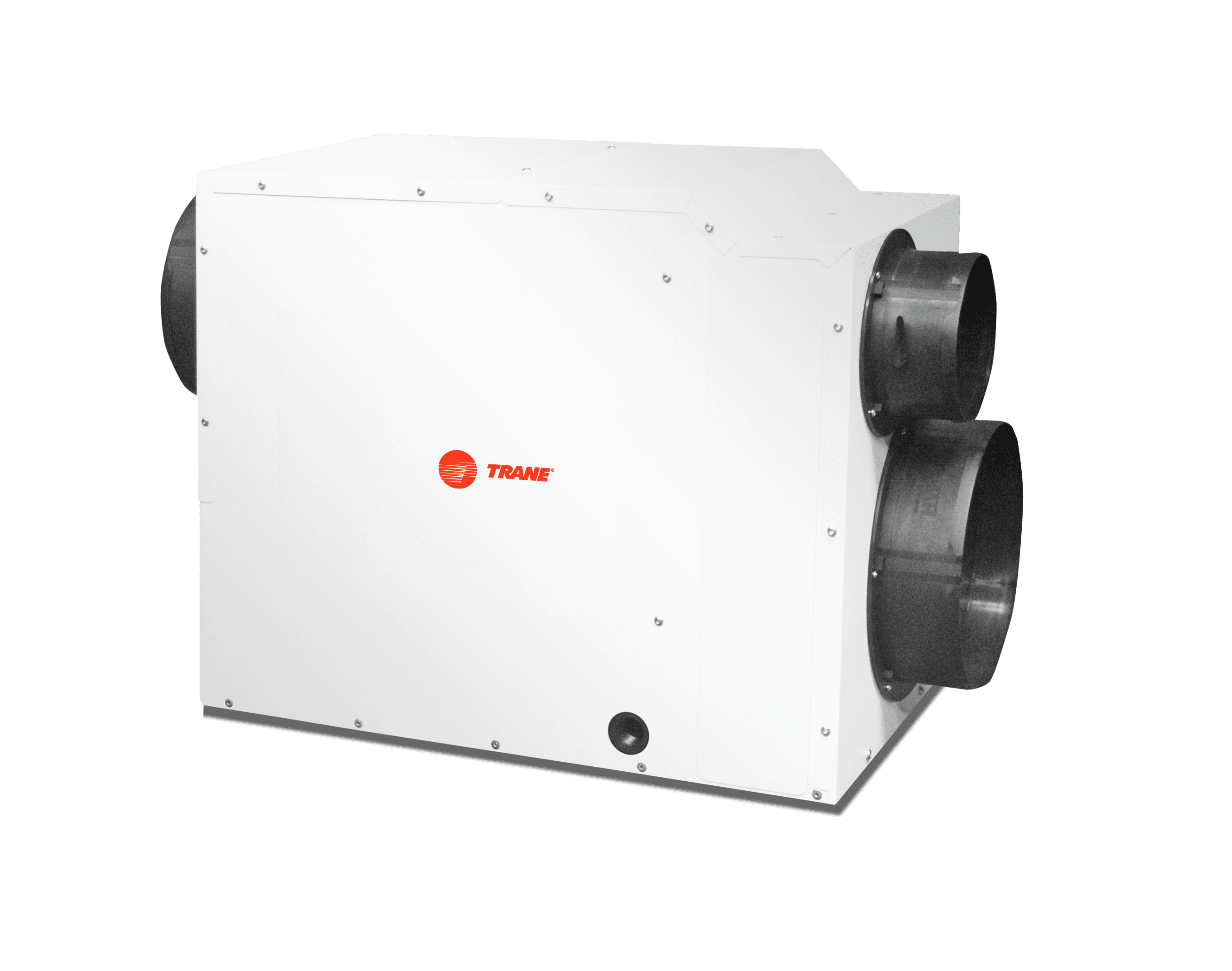
A dedicated whole-home dehumidifier installed inline with your HVAC system maintains indoor humidity between 45–55% regardless of outdoor conditions. This is especially important during the mild winter months when your AC rarely runs but humidity remains high. Ask about dehumidifier integration during your next AC maintenance visit.
Signs Your Home Has a Humidity Problem
Condensation on windows, musty odors, sticky floors, and visible mold are all signs your HVAC system is not controlling humidity effectively. Our indoor air quality team can assess your home and recommend the right solution, from dehumidifiers to ductwork improvements.
Related Articles
- Why New Orleans AC Systems Fail Faster
- HVAC Maintenance Every 6 Months in New Orleans
- Indoor Air Quality Services
Understanding New Orleans' Unique Humidity Challenge
New Orleans' subtropical climate, characterized by its proximity to the Gulf of Mexico, presents a year-round battle against high humidity. This isn't just about discomfort; excessive indoor humidity can lead to a host of problems, from structural damage to significant health concerns. For homeowners in neighborhoods like the Garden District, Uptown, or the historic French Quarter, managing indoor moisture is paramount.
The Science Behind NOLA's Humidity
The air in New Orleans consistently carries a high moisture content, often exceeding 70% relative humidity for extended periods. This is due to a combination of warm temperatures and abundant moisture from the Gulf. During the peak summer months, from June to September, average relative humidity can hover around 90% in the mornings and rarely drop below 60% even in the afternoons. This persistent moisture, coupled with average daily temperatures often exceeding 85°F, creates a unique atmospheric challenge. When this humid air infiltrates your home, it can overwhelm your HVAC system, which is primarily designed for temperature control, not aggressive dehumidification. Understanding this fundamental challenge is the first step towards effective humidity management. The salt air from the Gulf also contributes to the corrosive environment, which can impact outdoor HVAC units over time, making regular maintenance even more critical.
Impact on Homes and Health in the Crescent City
High indoor humidity creates an ideal breeding ground for mold, mildew, dust mites, and other allergens. This can exacerbate respiratory issues, allergies, and asthma, especially for vulnerable populations. Beyond health, moisture can damage wooden structures, warp floors, peel paint, and even attract pests. Historic homes with their unique construction, common in areas like Faubourg Marigny, Bywater, and the Irish Channel, are particularly susceptible to these moisture-related issues. The ornate plasterwork and original cypress flooring found in many Creole cottages and shotgun houses can suffer irreversible damage from prolonged exposure to high humidity. This makes proactive humidity control an essential aspect of home maintenance, preserving both the structural integrity and historical charm of these properties. Our NATE-certified technicians frequently encounter these issues across Orleans and Jefferson Parishes, from Metairie to Chalmette, and are adept at diagnosing and resolving them. We've seen firsthand how a lack of proper humidity control can lead to costly repairs, emphasizing the importance of preventative measures.
Achieving Ideal Indoor Humidity Levels for New Orleans Living
Maintaining the right balance of indoor humidity is crucial for comfort, health, and the longevity of your home. While a certain level of humidity is necessary, too much or too little can cause problems. Our goal at New Orleans Mechanical Pros is to help you achieve that perfect balance, typically between 40% and 60% relative humidity, even when the outdoor air feels like a thick, soupy blanket. This range is recommended by organizations like the EPA for optimal indoor air quality and comfort.
The Role of Your HVAC System in a Humid Climate
Your central air conditioning system does remove some humidity as it cools the air. As warm, moist air passes over the cold evaporator coil, moisture condenses out of the air and drains away. A typical 3-ton AC unit operating for 8 hours can remove approximately 15-20 gallons of water per day from the air. However, standard AC units are primarily designed to lower temperature, not to act as dedicated dehumidifiers. In a climate like New Orleans, where cooling loads are often lower than humidity loads, your AC might cycle on and off frequently, cooling the air without effectively removing enough moisture. This can lead to a phenomenon known as 'short cycling,' which reduces efficiency and leaves your home feeling clammy and uncomfortable, even if the thermostat reads a cool 72°F. This inefficiency can also lead to higher energy bills, as the system works harder to achieve perceived comfort.
Recognizing the Subtle Signs of High Humidity in Your Home
Recognizing the signs of excessive indoor humidity is the first step toward addressing the problem. These can include a sticky or clammy feeling in the air, condensation on windows or pipes, musty odors, visible mold growth on walls or ceilings, warped wood floors, or even peeling wallpaper. Beyond these obvious signs, you might notice doors sticking, a general feeling of lethargy, or even an increase in allergy symptoms. If you notice any of these indicators, especially in areas like the Westbank, St. Bernard Parish, or even across Lake Pontchartrain in Mandeville, it's a clear signal that your home's humidity levels are too high and require professional attention. Our NATE-certified technicians are experts at diagnosing these issues and recommending tailored solutions for your home, ensuring your comfort and protecting your property. We often find that homeowners underestimate the impact of humidity until these issues become pronounced.
The Power of Whole-Home Dehumidifiers: A New Orleans Essential
For comprehensive and effective humidity control in a New Orleans home, a whole-home dehumidifier is often the most robust solution. Unlike portable units that only address a single room, a whole-home system integrates directly with your existing HVAC ductwork to remove excess moisture from the air throughout your entire living space. This provides consistent, balanced humidity levels, enhancing comfort and protecting your home and health. This is particularly beneficial during the hurricane season, when prolonged periods of rain and high humidity can quickly overwhelm standard HVAC systems.
How Whole-Home Dehumidifiers Work with Your HVAC System
These systems operate independently or in conjunction with your air conditioner. They draw in humid air, pass it over a cold coil to condense moisture, and then return dry, conditioned air to your home. Many modern whole-home dehumidifiers are highly efficient and can be controlled via your thermostat or a dedicated humidistat, allowing you to set and maintain your desired humidity level. For example, a high-capacity whole-home dehumidifier can remove up to 150 pints of water per day, significantly more than a typical AC unit. This means less strain on your AC, potentially lower energy bills (as your AC doesn't have to overcool to dehumidify), and a significantly more comfortable indoor environment, even during the most sweltering New Orleans summers. The integration ensures that dehumidification occurs without overcooling, a common problem with relying solely on AC in our climate. Consider exploring our whole-home dehumidifier solutions for a healthier, more comfortable home.
Benefits Beyond Comfort: Preserving Your New Orleans Lifestyle
The advantages of a whole-home dehumidifier extend far beyond just feeling cooler. By actively managing humidity, these systems play a crucial role in mold prevention, a constant concern in our damp climate. They also contribute significantly to improved Indoor Air Quality (IAQ) by inhibiting the growth of allergens like dust mites and mildew. For homeowners in areas prone to moisture, such as those near Lake Pontchartrain, in low-lying areas of St. Tammany Parish, or along the bayous of Jefferson Parish, this investment is invaluable. Beyond health, proper humidity control protects your home's structure and furnishings, preventing damage to antique furniture, artwork, and musical instruments that are often cherished in New Orleans homes. It can also reduce the likelihood of pests like termites, which thrive in damp conditions. This proactive approach can save you thousands in potential repair costs down the line. Our NATE-certified technicians can provide a detailed assessment and recommend the best system for your specific needs.
Mold Prevention and Indoor Air Quality (IAQ) in the Big Easy
In New Orleans, mold isn't just an unsightly nuisance; it's a pervasive threat to both property and health. The combination of high humidity and warm temperatures creates an ideal environment for mold spores to flourish. Effective HVAC humidity control is your primary defense against this silent invader, directly impacting your home's Indoor Air Quality (IAQ).
The Inescapable Link Between Humidity and Mold Growth
Mold requires moisture to grow. When indoor relative humidity consistently exceeds 60%, surfaces become damp, creating perfect conditions for mold colonies to establish themselves. This is particularly true in poorly ventilated areas, bathrooms, or basements, but can quickly spread throughout a home if humidity is not managed. The porous materials common in older New Orleans homes, such as plaster and wood, are especially susceptible to mold growth once moisture takes hold. Our NATE-certified technicians are trained to identify potential mold-prone areas and recommend solutions that address the root cause: excessive moisture. We often advise homeowners in areas like Gentilly or New Orleans East, which experienced significant flooding, on the importance of robust humidity control post-remediation.
Enhancing Your Home's IAQ: A Breath of Fresh Air
Beyond mold, high humidity contributes to a host of other IAQ issues. Dust mites thrive in humid conditions, and their waste products are common allergens. Musty odors, often a sign of microbial growth, also degrade air quality. By maintaining optimal humidity levels with systems like whole-home dehumidifiers, you can significantly reduce these indoor pollutants, leading to cleaner, fresher air and a healthier living environment for your family. This is especially important for residents in older homes in areas like the French Quarter or Uptown, where historical construction can sometimes present unique IAQ challenges, including less-than-perfect sealing against the elements. Improved IAQ can lead to fewer allergy symptoms, better sleep, and a generally more comfortable home. Learn more about our indoor air quality services to breathe easier and live healthier.
SEER2 and Energy Efficiency in a Humid Climate: What New Orleanians Need to Know
When considering HVAC upgrades or new installations in New Orleans, understanding efficiency ratings like SEER2 (Seasonal Energy Efficiency Ratio 2) is paramount. While a higher SEER2 rating generally indicates greater energy efficiency, its impact in a high-humidity environment like ours has nuances. It's not just about cooling; it's about how efficiently your system can manage both temperature and moisture, especially when the outdoor temperature is moderate but the humidity is soaring.
The Evolution to SEER2: More Realistic for the Gulf Coast
SEER2 is the latest standard for measuring the energy efficiency of air conditioners and heat pumps, updated in 2023. It reflects a more rigorous testing procedure that better simulates real-world operating conditions, including static pressure, which impacts airflow. For New Orleans homeowners, this means a more accurate representation of how a unit will perform in our unique climate. A higher SEER2 rating, typically 15.2 or above for new AC units in the South, translates to lower operating costs over the lifespan of the system, which can be substantial given our long cooling season, often extending from March to November. For example, upgrading from an old 10 SEER unit to a new 16 SEER2 unit can reduce cooling costs by up to 30-40% annually, potentially saving hundreds of dollars each year. We can help you navigate the options and find systems that offer optimal energy efficiency for your New Orleans home, ensuring you get the most bang for your buck.
Balancing Efficiency and Dehumidification: A Critical Partnership
While a high SEER2 rating is desirable, it's crucial to remember that some highly efficient single-stage AC units might run for shorter periods to achieve temperature setpoints, potentially leaving residual humidity. This is where the integration of a whole-home dehumidifier becomes even more critical. A well-designed HVAC system for New Orleans often pairs a high-efficiency AC with a dedicated dehumidifier to achieve both optimal temperature control and superior moisture removal. This combination ensures maximum comfort, lower energy bills, and a healthier indoor environment, protecting your investment in your home, whether it's a shotgun house in Mid-City, a grand residence in Audubon Park, or a family home in Lakeview. This dual approach addresses both sensible heat (temperature) and latent heat (humidity) effectively, providing a truly comfortable indoor climate. Our NATE-certified technicians are experts in designing these integrated systems.
Choosing the Right Humidity Control Solution for Your New Orleans Home
Selecting the appropriate humidity control strategy for your New Orleans home requires careful consideration of several factors, including your existing HVAC system, home size, insulation, and specific humidity challenges. At New Orleans Mechanical Pros, we pride ourselves on providing personalized recommendations, drawing on our 17 years of experience and deep understanding of local climate conditions and architectural styles.
Comprehensive Assessment and Tailored Customization
Our NATE-certified technicians begin with a thorough assessment of your home. This includes evaluating your current HVAC system, inspecting ductwork for leaks, assessing insulation levels, and measuring existing humidity levels. We consider the unique characteristics of New Orleans homes, from the high ceilings of a Creole cottage in the French Quarter to the modern construction of a home in Lakeview, and the unique challenges posed by historic homes in areas like Algiers Point. We also take into account factors like the number of occupants, lifestyle, and specific concerns such as allergies or antique preservation. Based on this comprehensive analysis, we recommend a customized solution, which might involve a standalone whole-home dehumidifier, an upgrade to a variable-speed HVAC system with enhanced dehumidification capabilities, or a combination of both. Our goal is to provide a solution that is not only effective but also energy-efficient and tailored to your budget, ensuring long-term comfort and savings.
Professional Installation and Ongoing Maintenance: Our Commitment to You
The effectiveness of any humidity control system hinges on professional installation. Our LA license #75402 ensures that all installations meet the highest industry standards and local codes. Proper sizing and integration with your existing HVAC system are critical for optimal performance and longevity. A poorly installed system can lead to inefficiencies, premature breakdowns, and continued humidity problems. Furthermore, regular maintenance is essential to keep your system running efficiently and effectively. We offer comprehensive HVAC maintenance plans that include checks of your dehumidifier, ensuring it continues to protect your home from the relentless New Orleans humidity. Our NATE-certified technicians are trained to spot potential issues before they become major problems, saving you time and money. Don't let the New Orleans humidity win; contact New Orleans Mechanical Pros today at (504) 826-3775 for a consultation and take control of your home's comfort and air quality. We are proud to serve the entire Greater New Orleans area, from Kenner to Slidell, and everywhere in between.
The Economic Impact of Uncontrolled Humidity
Beyond the immediate discomfort and health concerns, unchecked humidity can have significant economic repercussions for New Orleans homeowners. The constant strain on your HVAC system to combat both heat and excessive moisture can lead to increased energy consumption, driving up your monthly utility bills. Furthermore, the damage caused by mold, mildew, and warped structural elements can necessitate costly repairs, ranging from minor cosmetic fixes to major structural renovations. For instance, remediating a significant mold infestation can cost thousands of dollars, not to mention the potential devaluation of your property. Investing in effective humidity control, such as a whole-home dehumidifier, is not just about comfort; it's a smart financial decision that protects your home's value and reduces long-term maintenance expenses. Our team at New Orleans Mechanical Pros can provide a detailed cost-benefit analysis for various humidity control solutions, demonstrating how these investments pay for themselves over time through energy savings and avoided repair costs. We are committed to helping you make informed decisions that benefit your wallet and your peace of mind.
Why Choose New Orleans Mechanical Pros for Your Humidity Control Needs?
With 17 years of experience serving the unique climate challenges of the Greater New Orleans area, New Orleans Mechanical Pros stands as a trusted leader in HVAC solutions. Our LA license #75402 is a testament to our adherence to the highest professional standards. All our technicians are NATE-certified, meaning they possess the most rigorous industry certifications and are continuously trained on the latest technologies and best practices in HVAC and humidity control. We understand the nuances of New Orleans architecture, from the historic charm of a Garden District mansion to the modern efficiency of a new build in Lake Vista, and tailor our solutions accordingly. Our commitment extends beyond just installation; we offer comprehensive maintenance plans and responsive service to ensure your system operates flawlessly year-round. When you choose us, you're not just getting an HVAC contractor; you're partnering with a local team dedicated to your comfort, health, and the preservation of your New Orleans home. Call us today at (504) 826-3775 to experience the difference that local expertise and unwavering commitment can make. We're here to help you conquer the New Orleans humidity once and for all!
Frequently Asked Questions
Q1: What is the ideal indoor humidity level for a New Orleans home?
A: For optimal comfort, health, and to prevent mold growth in New Orleans' humid climate, we recommend maintaining an indoor relative humidity level between 40% and 60%. This range helps inhibit mold and dust mite proliferation while ensuring a comfortable living environment. Our NATE-certified technicians can help you assess your home's current humidity and recommend solutions to achieve this balance.
Q2: Can my regular AC unit handle New Orleans humidity?
A: While your central air conditioner does remove some humidity as it cools, it's primarily designed for temperature control. In New Orleans, where humidity loads are often very high, a standard AC unit may struggle to remove enough moisture, leading to a clammy feeling even when the temperature is cool. For truly effective humidity control, especially during our long, humid summers, a dedicated whole-home dehumidifier is often necessary.
Q3: How do whole-home dehumidifiers improve indoor air quality?
A: Whole-home dehumidifiers significantly improve indoor air quality (IAQ) by reducing excess moisture, which is a primary catalyst for mold, mildew, and dust mite growth. By keeping humidity levels in the optimal range, these systems help prevent the proliferation of these allergens and irritants, leading to cleaner, fresher air and a healthier environment for your family, particularly beneficial in areas like the historic Garden District.
Q4: What is SEER2, and how does it relate to humidity control?
A: SEER2 (Seasonal Energy Efficiency Ratio 2) is the updated standard for measuring the energy efficiency of air conditioners and heat pumps. While a higher SEER2 rating indicates greater energy efficiency for cooling, it doesn't directly measure dehumidification capabilities. In New Orleans, a high-efficiency AC combined with a dedicated whole-home dehumidifier often provides the best balance of energy savings and superior humidity control, preventing issues like short cycling and ensuring comprehensive comfort.
Q5: How often should I have my HVAC system and dehumidifier serviced in New Orleans?
A: Given New Orleans' challenging climate, we recommend professional HVAC maintenance at least twice a year – typically in the spring before the cooling season and in the fall before the heating season. If you have a whole-home dehumidifier, it should be serviced annually as part of your HVAC maintenance to ensure it's operating efficiently and effectively. Regular maintenance by our LA licensed #75402 technicians helps prevent breakdowns, extends equipment lifespan, and maintains optimal indoor comfort and air quality. Contact New Orleans Mechanical Pros at (504) 826-3775 to schedule your service.
In conclusion, managing HVAC humidity control in New Orleans is not merely a matter of comfort, but a critical component of home maintenance, health, and energy efficiency. The unique subtropical climate of the Gulf Coast demands specialized solutions, and New Orleans Mechanical Pros is equipped with the expertise, experience, and dedication to provide them. From understanding the science behind NOLA's pervasive humidity to implementing advanced whole-home dehumidification systems, our NATE-certified technicians are committed to ensuring your indoor environment is consistently comfortable, healthy, and protected. Don't let the Crescent City's humidity dictate your indoor living experience. Take proactive steps today to safeguard your home and well-being. Reach out to us at (504) 826-3775 for a personalized consultation and discover how our tailored HVAC solutions can transform your New Orleans home into a true sanctuary from the elements.