How to Choose the Right AC System for a New Orleans Home
Not all AC systems are created equal — and what works in Phoenix or Denver may not be the right choice for New Orleans. Here's how to evaluate your options for the Gulf Coast climate.
How to Choose the Right AC System for Your New Orleans Home
With New Orleans humidity averaging 74% year-round and summer temperatures regularly exceeding 95°F, choosing the right air conditioning system is one of the most important decisions a homeowner can make. This guide walks you through every option — from central air to ductless mini-splits — so you can make a confident, cost-effective choice.
Central Air vs. Ductless: Which Is Right for Your Home?
Central air systems work best in homes with existing ductwork in good condition. If your ducts are more than 15 years old, schedule a ductwork inspection before investing in a new system. Homes without ducts — or historic homes — benefit most from ductless mini-split installation.
Top AC Brands Available in New Orleans
We install and service all major brands including Carrier, Trane, Lennox, Goodman, and Daikin. Each brand has strengths suited to different budgets and home types.
SEER2 Ratings and Energy Efficiency in Louisiana's Climate
Louisiana's hot-humid climate means your AC runs 10–11 months per year. A higher SEER2 rating pays for itself faster here than in cooler states. We recommend a minimum SEER2 of 15 for New Orleans homes. Our AC installation team will calculate your exact payback period before you commit.
Related Articles
- AC Systems for Historic New Orleans Homes
- Why You Need HVAC Maintenance Every 6 Months in New Orleans
- AC Maintenance Plans
Understanding New Orleans' Unique HVAC Challenges
New Orleans presents a distinct set of environmental factors that significantly influence HVAC system performance and longevity. Our subtropical climate, characterized by high humidity and prolonged cooling seasons, demands robust and efficient solutions. Ignoring these local nuances can lead to oversized or undersized systems, premature breakdowns, and exorbitant energy costs.
The Impact of High Humidity and Salt Air
New Orleans consistently experiences high relative humidity, often exceeding 70-80% for extended periods. This isn't just about discomfort; high humidity can foster mold growth, damage furnishings, and make your home feel warmer than the thermostat indicates. An effective AC system must not only cool but also dehumidify efficiently. Furthermore, our proximity to the Gulf Coast means salt air can accelerate corrosion on outdoor AC components, necessitating units designed with enhanced durability and protective coatings. New Orleans Mechanical Pros, with LA license #75402, understands these challenges intimately, recommending systems built to withstand our coastal environment.
Hurricane Season and Power Outages
From June to November, New Orleans is in the heart of hurricane season. While an AC system won't prevent a storm, its reliability and potential for integration with backup power solutions become crucial. Considerations for surge protection and the ability of your system to recover efficiently after power fluctuations are important. Many homeowners in areas like Lakeview or Gentilly opt for systems that can quickly restore comfort once power is re-established, minimizing the discomfort during recovery efforts.
Historic Homes and Architectural Considerations
New Orleans boasts a rich tapestry of historic homes, from Creole cottages in the French Quarter to grand Garden District mansions. These homes often feature unique architectural elements, limited ductwork space, and specific preservation requirements. Installing a modern HVAC system in a historic property demands specialized expertise to maintain structural integrity and aesthetic appeal. Ductless mini-split systems, for instance, are often an ideal solution for homes without existing ductwork, offering zoned comfort without extensive renovations. Our NATE-certified technicians are adept at navigating these complexities, ensuring your historic home receives a modern comfort solution without compromising its charm.
Sizing Your AC System: The Foundation of Efficiency
One of the most critical steps in choosing an AC system is proper sizing. An incorrectly sized unit will either struggle to cool your home or cycle on and off too frequently, leading to inefficiency, discomfort, and premature wear. This is where professional load calculations become indispensable.
Manual J Load Calculation: Beyond Square Footage
Many homeowners mistakenly believe that AC sizing is simply based on square footage. While square footage is a factor, a comprehensive Manual J load calculation considers numerous variables specific to your home. These include: insulation levels, window types and orientations, ceiling height, number of occupants, heat-generating appliances, and even the amount of direct sunlight your home receives. For a typical 2,000 sq ft home in Mid-City, a Manual J calculation might reveal that factors like large, single-pane windows or poor attic insulation necessitate a larger unit than square footage alone would suggest. Our experts at New Orleans Mechanical Pros perform meticulous Manual J calculations to ensure your system is perfectly matched to your home's unique thermal characteristics.
Understanding Tonnage and BTUs
Air conditioners are rated in "tons," where one ton equals 12,000 British Thermal Units (BTUs) per hour of cooling capacity. A 3-ton unit, therefore, provides 36,000 BTUs of cooling. For a well-insulated, modern 1,500 sq ft home in New Orleans, a 2.5 to 3-ton unit might be appropriate, but this can vary significantly. An undersized unit will run constantly, failing to reach desired temperatures and struggling with humidity removal. An oversized unit will "short cycle," turning on and off too quickly, which wastes energy, doesn't adequately dehumidify, and puts undue stress on components. Proper sizing ensures optimal performance, energy efficiency, and a comfortable indoor environment. For a precise assessment, contact New Orleans Mechanical Pros at (504) 826-3775.
SEER2 Ratings and Energy Efficiency
In today's energy-conscious world, understanding SEER2 ratings is crucial for long-term savings and environmental impact. The Seasonal Energy Efficiency Ratio 2 (SEER2) is a measure of an air conditioner's cooling output over a typical cooling season, divided by the total electric energy input during the same period. A higher SEER2 rating indicates greater energy efficiency.
The Evolution from SEER to SEER2
As of January 1, 2023, new federal regulations updated the testing procedures for AC efficiency, leading to the introduction of SEER2. This new rating provides a more accurate reflection of real-world energy consumption. In the Southeast region, which includes Louisiana, the minimum SEER2 rating for new split system AC units is 14.3. While a 14.3 SEER2 unit meets the minimum, investing in a higher SEER2 system (e.g., 16 SEER2 or even 20+ SEER2) can lead to substantial energy savings over the lifespan of the unit. For example, upgrading from an old 10 SEER unit to a 16 SEER2 unit could reduce your cooling costs by 30-40% annually, translating to hundreds of dollars saved each year in the intense New Orleans heat.
Long-Term Savings vs. Upfront Cost
While higher SEER2 systems typically have a greater upfront cost, the long-term energy savings often justify the investment. Consider a scenario where a 16 SEER2 unit costs $1,500 more than a 14.3 SEER2 unit. If the higher efficiency unit saves you $200-$300 per year on your electricity bill, the payback period could be as short as 5-7 years. After that, you're enjoying pure savings. Furthermore, many utility companies and federal programs offer rebates or tax credits for installing high-efficiency HVAC systems, further offsetting the initial expense. Our team can help you explore these options and provide a detailed cost-benefit analysis for your specific situation. Learn more about our financing options.
Central AC vs. Ductless Mini-Splits
When considering AC systems, the primary choice often boils down to central air conditioning or ductless mini-splits. Each has distinct advantages and disadvantages, making the best choice dependent on your home's structure, your budget, and your comfort preferences.
Central Air Conditioning: The Traditional Choice
Central AC systems are the most common in homes with existing ductwork. They provide whole-home cooling through a network of ducts and vents, offering consistent temperatures throughout. Modern central AC units are highly efficient and can be integrated with smart thermostats for precise control. They are generally quieter than window units and offer a discreet aesthetic. However, installing central AC in a home without existing ductwork can be a significant undertaking, involving extensive renovations and higher costs. For many newer homes in areas like Algiers or New Orleans East, central AC is the standard and most practical solution.
Ductless Mini-Splits: Flexible and Efficient
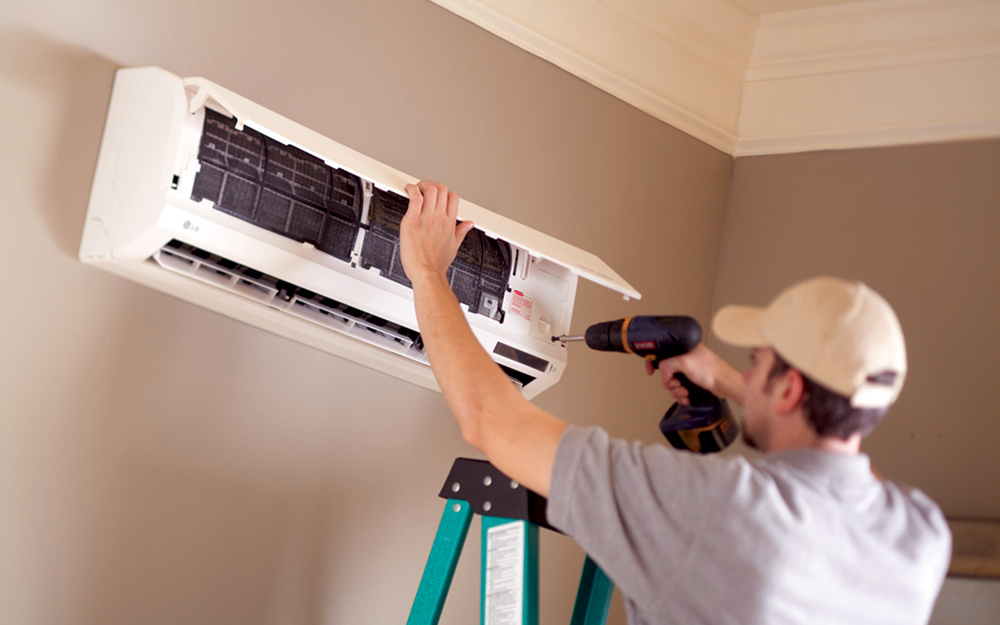
Ductless mini-split systems offer a flexible alternative, particularly for historic homes, additions, or areas where ductwork is impractical. These systems consist of an outdoor compressor/condenser and one or more indoor air-handling units, each controlling a specific zone. This allows for individualized temperature control in different rooms, leading to significant energy savings by only cooling occupied spaces. Mini-splits are also highly efficient, often boasting very high SEER2 ratings. While the indoor units are visible, their sleek design often blends seamlessly with modern decor. They are an excellent choice for homes in Uptown or the Bywater that may not have traditional ductwork.
Heat Pumps: All-in-One Comfort
Heat pumps are an increasingly popular choice in New Orleans due to their dual heating and cooling capabilities. They operate by transferring heat rather than generating it, making them incredibly energy-efficient for both functions. In our mild winters, a heat pump can provide ample warmth, and during our long summers, it functions as a highly efficient air conditioner.
How Heat Pumps Work in New Orleans' Climate
During the summer, a heat pump extracts heat from your indoor air and transfers it outside, effectively cooling your home. In the winter, the process reverses: it extracts heat from the outdoor air (even cold air contains heat) and transfers it indoors. This heat transfer mechanism is far more efficient than traditional furnaces that generate heat by burning fuel. Given New Orleans' relatively mild winters, heat pumps are an ideal solution, providing efficient heating without the need for a separate furnace. This can lead to significant energy savings year-round. Explore our heat pump services.
Advantages and Considerations
The primary advantage of a heat pump is its year-round efficiency and convenience. You get both heating and cooling from a single system, reducing equipment footprint and maintenance. Modern heat pumps are also excellent at dehumidification, a major plus for New Orleans homes. While the upfront cost can be slightly higher than a standalone AC unit, the long-term energy savings, especially during the heating season, often make it a worthwhile investment. It's important to ensure proper sizing and installation by NATE-certified technicians to maximize efficiency and longevity, particularly in our humid environment.
Cost Comparison and Long-Term Investment
Understanding the financial implications of your AC choice involves more than just the initial purchase price. It includes installation costs, ongoing energy expenses, maintenance, and potential repairs over the system's lifespan.
Upfront Costs: Equipment and Installation
The initial cost of an AC system in New Orleans can range widely based on type, size, brand, and SEER2 rating. A new central AC system for a typical 2,000 sq ft home might cost anywhere from $6,000 to $12,000, including installation. Ductless mini-split systems can range from $3,000 for a single-zone unit to $15,000+ for multi-zone systems covering an entire home. Heat pumps generally fall within a similar range to central AC, often slightly higher due to their dual functionality. These figures are estimates, and a detailed quote from New Orleans Mechanical Pros will provide precise costs tailored to your home.
Operating Costs: Energy Bills and Maintenance
Operating costs are where energy efficiency truly pays off. A higher SEER2 rating directly translates to lower monthly electricity bills. For instance, in New Orleans, where cooling seasons are long and intense, an efficient 3-ton AC unit running 12 hours a day for 6 months could cost $300-$500 less per year in electricity compared to a less efficient model. Regular maintenance, including annual tune-ups and filter changes, is also crucial. Expect to spend $150-$300 annually on professional maintenance, which can extend your system's lifespan by several years and maintain its efficiency. Neglecting maintenance can lead to a 5-15% drop in efficiency and increased repair costs. Schedule your annual AC tune-up.
Return on Investment and Property Value
Investing in a new, high-efficiency AC system is not just about comfort; it's a significant home improvement. A modern, efficient HVAC system can increase your home's property value, making it more attractive to potential buyers, especially in a climate like New Orleans. The average lifespan of a well-maintained AC unit is 10-15 years. Over this period, the energy savings can often recoup a substantial portion, if not all, of the initial investment. Furthermore, a comfortable home with reliable climate control is a major selling point in our market.
Choosing the Right HVAC Contractor in New Orleans
Even the best AC system will underperform if not installed correctly. The expertise of your HVAC contractor is as important as the equipment itself. New Orleans Mechanical Pros prides itself on its 17 years of dedicated service to the Greater New Orleans area, ensuring every installation and service call meets the highest standards.
The Importance of NATE Certification and Local Experience
NATE (North American Technician Excellence) certification is the industry standard for HVAC technicians, signifying a high level of knowledge and skill. Our NATE-certified technicians undergo rigorous training and continuous education to stay abreast of the latest technologies and best practices. Coupled with our 17 years of experience specifically in the New Orleans climate, this expertise is invaluable. We understand the unique challenges posed by our humidity, salt air, and historic architecture, allowing us to recommend and install systems that truly perform in our local conditions. From the bustling streets of the Central Business District to the quiet charm of Old Metairie, our team has served every corner of the region.
Comprehensive Services and Customer Support
Beyond installation, a reputable HVAC contractor offers comprehensive services, including maintenance, repairs, and emergency support. New Orleans Mechanical Pros provides a full spectrum of HVAC solutions, ensuring your system operates efficiently year-round. We offer preventative maintenance plans designed to extend your system's lifespan and prevent costly breakdowns. Our commitment to customer satisfaction means we're always available to address your concerns and provide expert advice. When you choose us, you're choosing a partner dedicated to your home's comfort and your peace of mind.
Frequently Asked Questions
Q1: How often should I have my AC system serviced in New Orleans?
A1: Given New Orleans' intense cooling season and high humidity, we recommend professional AC maintenance at least once a year, ideally in the spring before the summer heat sets in. This ensures your system is clean, efficient, and ready to handle the demands of our climate.
Q2: What is the average lifespan of an AC unit in New Orleans?
A2: With proper installation and regular maintenance, an AC unit in New Orleans can last 10-15 years. However, factors like salt air exposure, heavy usage, and neglected maintenance can shorten its lifespan.
Q3: Can I install a smart thermostat with any AC system?
A3: Most modern AC systems are compatible with smart thermostats, which can significantly enhance energy efficiency and comfort by allowing precise control and scheduling. Our technicians can advise on compatibility and installation for your specific system.
Q4: Are there any rebates or incentives for installing a new AC system in New Orleans?
A4: Yes, utility companies like Entergy often offer rebates for installing high-efficiency AC systems. Federal tax credits may also be available. Our team can help you identify eligible programs and navigate the application process.
Q5: What are the signs that my AC system needs to be replaced?
A5: Common signs include frequent breakdowns, rising energy bills, inconsistent cooling, strange noises or odors, and if your unit is more than 10-12 years old. If you notice any of these, it's time to consider a professional inspection and potential replacement.
Conclusion
Choosing the right AC system for your New Orleans home is a significant investment in your comfort and energy efficiency. By understanding the unique challenges of our climate, prioritizing proper sizing and SEER2 ratings, and considering options like central AC, ductless mini-splits, and heat pumps, you can make an informed decision. Remember, the expertise of your HVAC contractor is paramount. New Orleans Mechanical Pros is here to guide you through every step, leveraging our 17 years of local experience and NATE-certified technicians to ensure your home remains cool and comfortable. Don't let the New Orleans heat get the best of you – call us today at (504) 826-3775 for a personalized consultation and experience the difference of true local expertise. Your comfort is our priority!
Call to Action: Ready to upgrade your home's comfort? Contact New Orleans Mechanical Pros today at (504) 826-3775 for a free, no-obligation consultation on the best AC system for your New Orleans home. We serve all parishes in the Greater New Orleans area, from Jefferson to St. Bernard, and beyond!
Call to Action: Don't wait for the summer heat to become unbearable! Visit neworleansmechanicalpros.com to schedule your AC system assessment and ensure your home is prepared for year-round comfort. Experience the New Orleans Mechanical Pros difference – 17 years of trusted service, NATE-certified excellence, and unparalleled local expertise.