Preparing Your New Orleans HVAC System for Hurricane Season
Hurricane season runs June through November in New Orleans. Here's how to protect your HVAC system before a storm, what to do during, and how to safely restore service after flooding or wind damage.
Preparing Your HVAC System for Hurricane Season in New Orleans
Hurricane season runs from June 1 through November 30, and for New Orleans homeowners, that means six months of potential risk to your HVAC equipment. Outdoor condenser units, rooftop systems, and ductwork are all vulnerable to high winds, flooding, and storm surge. This guide covers everything you need to do before, during, and after a hurricane to protect your HVAC investment.
Pre-Season HVAC Inspection: What to Check Before June 1
Schedule a pre-season AC maintenance visit in April or May — before the rush. Our technicians will inspect condenser unit mounting and pad stability, check refrigerant levels, clear drain lines that could back up during heavy rain, and document your system's condition for insurance purposes.
Securing Your Outdoor Condenser Unit
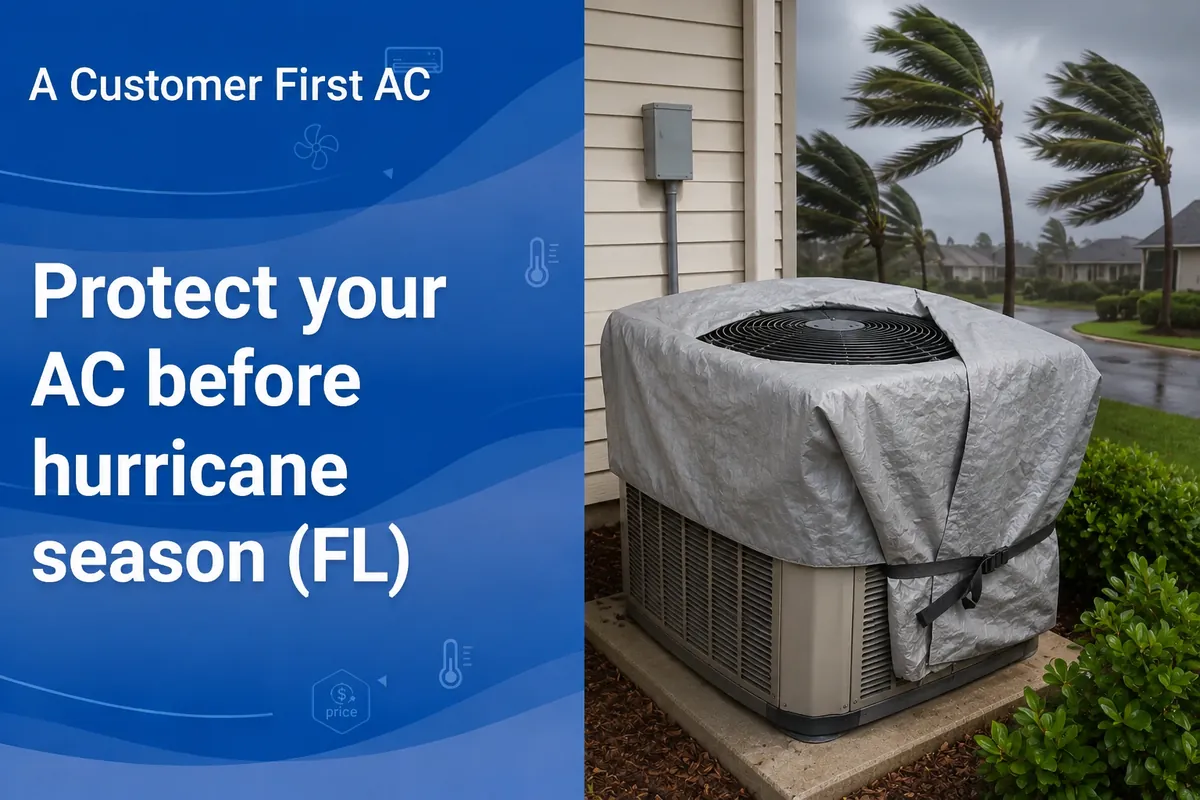
Condenser units should be anchored to their concrete pad with hurricane straps rated for 150+ mph winds. Units in flood-prone areas should be elevated on platforms at least 12 inches above the base flood elevation. Our AC installation team can assess your unit's vulnerability and recommend appropriate securing methods.
Post-Storm HVAC Assessment: Never Turn It On Without Inspection
After a hurricane, never turn your HVAC system on before a professional inspection. Flood water in the system can damage motors and create electrical hazards. Debris in the condenser can destroy the fan. Our 24/7 emergency HVAC team is available immediately after storms pass for rapid assessment and repair.
Related Resources
- Why New Orleans AC Systems Fail Faster
- HVAC Maintenance Schedule for New Orleans
- 24/7 Emergency HVAC Service
Introduction: Why Hurricane Preparedness is Crucial for New Orleans HVAC
New Orleans, a city synonymous with vibrant culture and historic charm, also lies squarely in the path of annual hurricane activity. From June 1st to November 30th, residents brace for the possibility of tropical storms and hurricanes, which bring with them torrential rains, devastating winds, and widespread power outages. For an HVAC system, these conditions are not merely inconvenient; they pose significant threats that can lead to system failure, extensive damage, and expensive replacements. Understanding the specific vulnerabilities of your heating, ventilation, and air conditioning system in this environment is the first step toward safeguarding your home and investment.
The Unique Challenges of the Gulf Coast Climate
The Gulf Coast climate is characterized by extreme heat, oppressive humidity, and corrosive salt air. These factors alone place considerable strain on HVAC units, leading to accelerated wear and tear. When a hurricane approaches, these environmental stressors are amplified. High winds can turn loose debris into projectiles, damaging outdoor condenser units. Heavy rainfall can lead to flooding, submerging and destroying electrical components and motors. The persistent humidity post-storm can also foster mold growth within ductwork, compromising indoor air quality and system efficiency. Our NATE-certified technicians at New Orleans Mechanical Pros are intimately familiar with these challenges, having serviced countless homes from the Garden District to Gentilly, and from Metairie to the Westbank, through many hurricane seasons.
Proactive Steps for HVAC Longevity
Ignoring hurricane preparedness for your HVAC system is akin to leaving your windows open during a downpour. The consequences can be severe, ranging from minor repairs to complete system overhaul. By taking proactive steps, homeowners can significantly extend the lifespan of their HVAC units, maintain optimal performance, and avoid the scramble for emergency repairs when resources are scarce. This includes everything from securing outdoor components to understanding generator hookup protocols and navigating the complexities of insurance claims. Investing a few hours in preparation now can save thousands of dollars and immeasurable stress later. Our 17 years of experience have shown us that a well-prepared HVAC system stands a far better chance of weathering the storm, much like the resilient Creole cottages and shotgun houses that define our city's architectural landscape.
Pre-Storm HVAC Preparation: Protecting Your Investment
As soon as a hurricane watch or warning is issued for the Greater New Orleans area, immediate action is required to protect your HVAC system. These steps are crucial not only for preventing physical damage but also for ensuring the safety of your home and family. Neglecting these precautions can lead to electrical hazards, further damage, and complications with insurance claims.
Securing Outdoor Units Against High Winds and Debris
Your outdoor condenser unit is the most vulnerable part of your HVAC system during a hurricane. High winds, often exceeding 100 mph in a Category 2 storm, can easily dislodge or damage these units. Flying debris, such as tree branches, fences, or even patio furniture, can cause catastrophic damage to coils, fins, and electrical wiring. To mitigate this risk, consider the following:
- Tie-downs: For units not already secured, use hurricane straps or heavy-duty tie-downs anchored to a concrete slab. This can prevent the unit from being lifted or shifted by strong winds. Professional installation is recommended to ensure proper anchoring. For more information on securing your home, visit our hurricane preparedness guide.
- Protective covering: While not a substitute for tie-downs, a custom-fitted, heavy-duty tarp or plywood enclosure can offer an additional layer of protection against flying debris. Ensure any covering is securely fastened to prevent it from becoming a projectile itself.
- Clear the area: Remove all loose items from around the condenser unit, including garbage cans, garden tools, and outdoor furniture. Trim any overhanging tree branches that could fall onto the unit. This simple step can prevent significant damage.
Power Considerations: Shutting Down and Surge Protection
One of the most critical steps is to cut power to your HVAC system before the storm hits. Power surges, brownouts, and blackouts are common during hurricanes and can severely damage sensitive electrical components within your unit. A direct lightning strike, though rare, can also cause irreparable harm.
- Turn off at the thermostat: First, switch your thermostat to the “off” position. This prevents the system from attempting to restart during power fluctuations, which can cause damage.
- Flip the breaker: Locate your home’s electrical panel and switch off the circuit breakers that control your indoor and outdoor HVAC units. This provides a complete power disconnect, protecting against surges and preventing the unit from turning on if power is restored intermittently.
- Consider surge protectors: For added protection, especially for sensitive indoor components, consider installing whole-home surge protectors. These devices can divert excess voltage away from your appliances, safeguarding them from lightning strikes and grid fluctuations. While a good investment, they are not a substitute for manually shutting off power during a hurricane.
Documenting Your System for Insurance Purposes
Before the storm, take comprehensive photos and videos of your HVAC system, both indoor and outdoor units. This documentation is invaluable for insurance claims should your system sustain damage. Include close-ups of the model and serial numbers, as well as the overall condition of the units. This visual evidence, combined with proof of pre-storm maintenance, can significantly expedite the claims process. Keep these records in a safe, waterproof location, or ideally, backed up to a cloud service. New Orleans Mechanical Pros can provide detailed service records if you’ve had recent maintenance, further bolstering your documentation.
Post-Storm HVAC Inspection: Assessing and Mitigating Damage
Once the storm has passed and it is safe to return home, resist the urge to immediately power up your HVAC system. A thorough inspection is paramount to prevent further damage or safety hazards. Even if your home appears untouched, hidden damage to your HVAC system can exist.
Visual Inspection for Obvious Damage
Before restoring power, conduct a careful visual inspection of both your indoor and outdoor units. Look for:
- Physical damage: Check for dents, punctures, or dislodged components on the outdoor condenser unit. Inspect the refrigerant lines for kinks or breaks. For indoor units, look for signs of water leaks or structural damage.
- Debris: Remove any debris, such as leaves, branches, or mud, from around and within the outdoor unit. Ensure the fan blades are clear and can spin freely.
- Electrical components: Look for frayed wires, burnt smells, or visible damage to electrical boxes. If you notice any of these, do not attempt to restore power.
- Water lines: Check for any broken or disconnected condensate drain lines, which can lead to water leaks inside your home.
Professional Assessment by NATE-Certified Technicians
Even if your visual inspection reveals no obvious damage, it is highly recommended to have a NATE-certified technician from New Orleans Mechanical Pros perform a professional post-hurricane inspection. Our technicians are trained to identify subtle damage that might not be apparent to the untrained eye, such as:
- Internal electrical damage: Surges can fry internal wiring, capacitors, and control boards without visible external signs.
- Refrigerant leaks: Physical impacts can cause hairline cracks in refrigerant lines, leading to slow leaks that compromise efficiency and can be costly to repair if not caught early.
- Motor and compressor issues: Water intrusion or power fluctuations can damage the motor and compressor, the heart of your HVAC system. Early detection can prevent complete failure.
- Ductwork integrity: High winds and structural shifts can compromise ductwork, leading to air leaks and reduced efficiency. Our experts can assess and repair these issues, ensuring your system operates optimally. Learn more about our HVAC repair services for comprehensive solutions.
Our team serves all parishes in the Greater New Orleans area, including Orleans, Jefferson, St. Bernard, St. Tammany, and Plaquemines, providing prompt and reliable service when you need it most.
Addressing Water Intrusion and Flood Damage
Floodwaters pose one of the most significant threats to HVAC systems. If your outdoor unit was submerged, or if floodwaters entered your home and reached your indoor unit, the damage is likely extensive. Do not attempt to power on a submerged unit. Doing so can cause electrical shorts, further damage, and create a severe electrocution hazard. The general rule of thumb is that if the water level reached the electrical components, the unit will likely need to be replaced. Our technicians can assess the extent of flood damage and advise on the best course of action, whether it's repair or replacement. We understand the urgency of restoring comfort to homes in areas like the Lower Ninth Ward or Lakeview after flooding, and we prioritize these critical assessments.
Generator Hookup and HVAC: Safe and Efficient Operation
Generators can be lifesavers during prolonged power outages, but connecting your HVAC system to one requires careful planning and professional installation to ensure safety and prevent damage to both your generator and your HVAC unit.
Understanding Generator Compatibility and Sizing
Not all generators are created equal, and correctly sizing your generator for your HVAC system is crucial. A typical central air conditioning unit requires a significant amount of starting wattage, often 2-3 times its running wattage. For example, a 3-ton (36,000 BTU) AC unit might require 3,500-5,000 running watts but could demand 10,000-15,000 starting watts. Attempting to power an HVAC system with an undersized generator can overload the generator, damage its components, and potentially harm your HVAC unit due to insufficient power supply. Consult with a New Orleans Mechanical Pros expert to determine the appropriate generator size for your specific HVAC system and household needs. You can find more details on our generator services page. We can help you understand the power requirements for your home, whether you live in a historic home in the French Quarter or a modern residence in Mid-City.
Professional Installation for Safety and Compliance
Connecting a generator directly to your home’s electrical system without a proper transfer switch is extremely dangerous and illegal. This practice, known as "backfeeding," can send electricity back into the utility grid, endangering utility workers and potentially causing fires or electrocution. A professional electrician or HVAC technician should install a manual or automatic transfer switch. This device safely isolates your home from the utility grid when the generator is running, preventing backfeeding and ensuring proper power distribution. New Orleans Mechanical Pros can recommend trusted electricians for this critical installation, ensuring your system is both safe and compliant with local codes.
Avoiding Carbon Monoxide Hazards
Generators produce carbon monoxide (CO), a colorless, odorless, and deadly gas. Never operate a generator indoors, in a garage, or near windows and doors where exhaust fumes can enter your home. Always place generators outdoors in a well-ventilated area, far away from your residence. Install battery-operated carbon monoxide detectors throughout your home, especially near sleeping areas, and test them regularly. During a power outage, these detectors are your first line of defense against CO poisoning. Our commitment to safety extends beyond your HVAC system, ensuring your entire home environment is secure during and after a storm.
Navigating Insurance Claims for HVAC Hurricane Damage
Dealing with hurricane damage is stressful enough without the added burden of complex insurance claims. Understanding the process and having the right documentation can significantly ease the burden and ensure you receive fair compensation for your damaged HVAC system.
Documenting Damage and Gathering Evidence
As mentioned earlier, pre-storm documentation is crucial. After the storm, immediately document any new damage to your HVAC system with detailed photos and videos. Capture wide shots showing the unit's location relative to your home, as well as close-ups of specific damage points. Note the date and time of the photos. Collect any relevant receipts for pre-storm maintenance or recent repairs. If your unit was submerged, measure and photograph the water line. The more evidence you have, the stronger your claim will be. Our NATE-certified technicians can provide a detailed assessment report, including estimated repair or replacement costs, which can be submitted directly to your insurance provider.
Working with Your Insurance Adjuster
Your insurance adjuster will assess the damage to your property, including your HVAC system. Be present during their inspection and provide them with all your documentation. Clearly explain the extent of the damage and how it relates to the hurricane event. Be prepared to discuss the age and condition of your unit before the storm. It's important to remember that adjusters work for the insurance company, so having an independent assessment from a trusted HVAC professional can be beneficial. New Orleans Mechanical Pros can act as your advocate, providing expert opinions and ensuring all damage is properly identified and accounted for in your claim. We have experience working with homeowners across New Orleans, from the historic homes of the Bywater to the newer constructions in New Orleans East, helping them navigate these challenging situations.
Choosing a Reputable HVAC Repair Company
After a hurricane, many unscrupulous contractors may appear, offering quick fixes or inflated prices. Be wary of door-to-door solicitations and always verify a contractor's credentials. Choose a licensed and insured HVAC company with a proven track record in the New Orleans area. New Orleans Mechanical Pros holds LA License #75402 and has been serving the community for 17 years. We provide transparent estimates, use quality parts, and stand behind our work. Don't rush into a decision; take the time to research and select a company you trust to properly restore your home's comfort. You can check our reviews and testimonials from satisfied customers in neighborhoods like Lakeview, Gentilly, and the Garden District.
New Orleans Mechanical Pros: Your Local Hurricane Preparedness Partner
When it comes to protecting your HVAC system during hurricane season, you need a partner who understands the unique challenges of the New Orleans climate and is committed to your safety and comfort. New Orleans Mechanical Pros is that partner.
17 Years of Local Experience and LA License #75402
With 17 years of dedicated service to the Greater New Orleans area, New Orleans Mechanical Pros has witnessed firsthand the devastating impact hurricanes can have on homes and HVAC systems. Our extensive experience means we've seen it all and know exactly what it takes to prepare your system for the worst and restore it afterward. Our LA License #75402 is a testament to our commitment to professional standards and compliance. Our NATE-certified technicians are continuously trained on the latest hurricane preparedness techniques and repair protocols, ensuring you receive the most knowledgeable and effective service available. We are proud to serve our community, from the bustling streets of the Central Business District to the quiet residential areas of Algiers.
Comprehensive Pre- and Post-Hurricane Services
We offer a full range of services designed to keep your HVAC system resilient throughout hurricane season:
- Pre-Hurricane Inspections and Tune-ups: Our comprehensive inspections identify potential vulnerabilities and address them before a storm hits. We'll secure outdoor units, check electrical connections, and ensure your system is running at peak efficiency. A typical pre-season tune-up costs between $100-$200 and can save you thousands in potential damage.
- Post-Hurricane Damage Assessment and Repair: After the storm, our rapid response team can assess damage, provide detailed reports for insurance claims, and perform necessary repairs or replacements. We prioritize emergency calls to restore comfort to our customers as quickly as possible.
- Generator Integration Consultation: We can advise on proper generator sizing and safe integration with your HVAC system, working with trusted electricians to ensure a seamless and secure setup.
Commitment to the Greater New Orleans Community
New Orleans Mechanical Pros is more than just an HVAC company; we are an integral part of the community. We understand the unique architectural styles, from the historic shotgun houses of Marigny to the raised homes in Lake Vista, and the specific HVAC needs they present. Our dedication extends to ensuring the safety and comfort of our neighbors across all parishes, including St. Tammany, Jefferson, and Orleans. We believe in building lasting relationships based on trust, reliability, and exceptional service, especially during challenging times like hurricane season.
Frequently Asked Questions
Q1: How often should I have my HVAC system inspected before hurricane season?
A1: We recommend a comprehensive HVAC inspection and tune-up at least once a year, ideally in late spring (April or May) before hurricane season officially begins on June 1st. This allows ample time to address any issues and ensure your system is in optimal condition to withstand the stresses of the season. For homes in older neighborhoods with more complex systems, such as those in the Garden District, a bi-annual inspection might be beneficial.
Q2: What are the signs of flood damage to an HVAC unit?
A2: Signs of flood damage include visible water lines on the unit, rust or corrosion on metal components, mud or debris inside the unit, strange odors (like mildew or burning), and electrical components that appear wet or damaged. If you suspect flood damage, do not attempt to power on the unit; contact a professional HVAC technician immediately for a thorough assessment.
Q3: Can I run my HVAC system on a portable generator?
A3: While it is technically possible, it is generally not recommended for extended periods or without proper precautions. Portable generators often lack the capacity to safely and efficiently power a central HVAC system, potentially leading to damage to both the generator and the AC unit. If you plan to use a generator, consult with an HVAC professional to ensure proper sizing and safe electrical hookup via a transfer switch. For a typical 3-ton unit, you'd need a generator capable of at least 10,000 starting watts, which is often larger than standard portable models.
Q4: What should I do if my HVAC unit is damaged by a hurricane?
A4: First, ensure your safety by turning off all power to the unit at the breaker. Document the damage thoroughly with photos and videos. Contact your insurance company to initiate a claim. Then, call a licensed and reputable HVAC company like New Orleans Mechanical Pros (LA License #75402) for a professional damage assessment and repair estimate. Avoid attempting DIY repairs, as this can void warranties or create further hazards.
Q5: How can I prevent mold growth in my HVAC system after a flood?
A5: If your HVAC system was exposed to floodwaters, immediate and thorough drying is crucial to prevent mold growth. A professional HVAC technician should inspect and clean the ductwork and internal components. They may use specialized antimicrobial treatments. Running your system without proper cleaning can spread mold spores throughout your home. Maintaining proper humidity levels (ideally below 60%) with a dehumidifier after the event can also help. Our technicians are well-versed in addressing mold issues common in the high-humidity environment of New Orleans.
Call to Action
Schedule Your Pre-Hurricane HVAC Inspection Today!
Don't wait until a storm is on the horizon. Protect your investment and ensure your family's comfort and safety by scheduling a comprehensive pre-hurricane HVAC inspection with New Orleans Mechanical Pros. Our NATE-certified technicians will meticulously prepare your system for the challenges of the season, giving you peace of mind. Call us today at (504) 826-3775 or visit our website to book your appointment: Schedule Inspection.
Contact Us for Emergency Hurricane HVAC Services
Should the unexpected happen, New Orleans Mechanical Pros is here to help. Our experienced team provides prompt and reliable emergency HVAC services for hurricane-damaged systems across the Greater New Orleans area. From initial assessment to expert repairs, we'll work diligently to restore your home's comfort. Contact us immediately for assistance: Emergency Services.